
The Rise of Web3 — Why Businesses Must Prepare for the Next Digital Shift
The internet is evolving once again, and this time the transformation is being driven by Web3. What initially began as a movement centered around cryptocurrencies has now grown into a much larger technological revolution. Web3 is reshaping how businesses operate, how data is stored, and how digital ownership works.
Unlike earlier versions of the internet, Web3 focuses on decentralization, transparency, and user ownership. It allows individuals and organizations to interact without relying on centralized authorities or intermediaries.
This shift is already influencing multiple industries including finance, supply chain management, real estate, gaming, entertainment, and digital identity systems.
For businesses that understand this transition early, Web3 offers a significant competitive advantage in the coming decade.
Understanding the Evolution of the Internet
To fully understand Web3, it helps to look at how the internet has evolved over time.
Web1 – The Read-Only Internet
The first generation of the internet was primarily informational. Websites acted as digital brochures where users could read information but had limited ability to interact.
Examples included early news websites, directories, and static company pages.
Web2 – The Social and Interactive Internet
Web2 introduced user interaction and content creation. Social media platforms, online marketplaces, and cloud-based services became the foundation of the modern internet.
Platforms like social networks, streaming services, and e-commerce sites allowed users to generate content and interact with each other.
However, Web2 also created centralized systems where large technology companies control user data and digital platforms.
Web3 – The Decentralized Internet
Web3 aims to shift control away from centralized organizations and give users ownership over their data, digital assets, and online identity.
Instead of relying on a single authority, Web3 uses blockchain technology and decentralized networks to create transparent and secure systems.
This new model enables peer-to-peer interactions, automated agreements, and new digital economies.
Core Technologies Powering Web3
Several key technologies form the foundation of the Web3 ecosystem.
Blockchain Technology
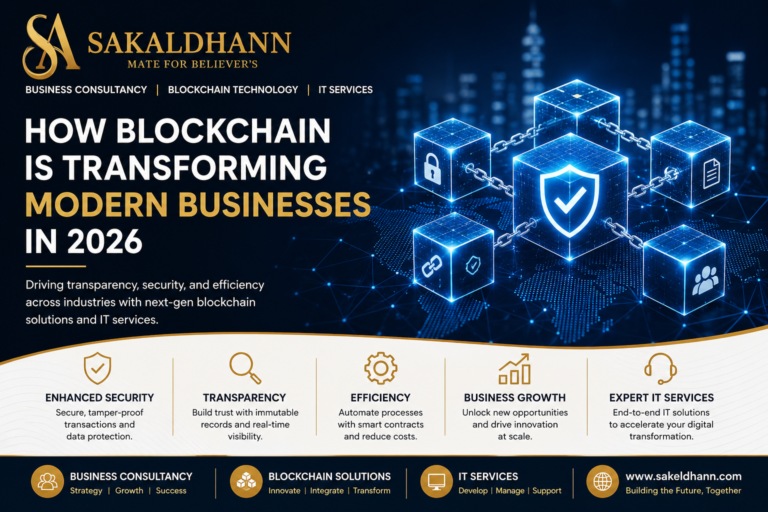
Blockchain is a distributed ledger system that records transactions across multiple computers. Because the data is decentralized and immutable, it becomes highly secure and transparent.
This technology ensures that transactions and records cannot be altered or manipulated.
Smart Contracts
Smart contracts are self-executing digital agreements stored on blockchain networks.
They automatically execute when predefined conditions are met, removing the need for intermediaries and reducing the risk of fraud.
For example, a smart contract can automatically release payment when a service is completed.
Digital Ownership
Web3 introduces the concept of verifiable digital ownership.
Through blockchain technology, individuals can own digital assets such as tokens, NFTs, or digital property with proof of authenticity and ownership.
This concept is transforming digital economies.
Tokenization
Tokenization allows real-world assets or services to be represented as digital tokens on a blockchain.
Businesses can create tokens that represent:
- Ownership
- Access rights
- Loyalty rewards
- Investment shares
This creates entirely new economic models for companies.
Industries Being Transformed by Web3
Web3 is not limited to cryptocurrency. Its impact is spreading across many industries.
Finance and Banking
Decentralized finance (DeFi) allows users to access financial services without traditional banks.
Through blockchain networks, people can lend, borrow, trade, and earn interest on digital assets directly.
This reduces costs and increases financial accessibility.
Supply Chain Management
Blockchain improves supply chain transparency by allowing every transaction and movement of goods to be recorded permanently.
Companies can track products from manufacturing to delivery, reducing fraud and improving accountability.
Real Estate
Web3 enables tokenized real estate ownership where properties can be divided into digital shares.
This makes property investment more accessible and allows faster and more secure transactions.
Entertainment and Media
Artists, musicians, and content creators can use blockchain technology to monetize their work directly through NFTs and digital ownership.
This removes intermediaries and allows creators to retain greater control over their content.
Digital Identity
Web3 introduces decentralized identity systems where individuals control their own personal data.
Instead of relying on centralized databases, identity verification can happen through blockchain-based credentials.
Opportunities for Businesses in Web3
Businesses can leverage Web3 in multiple innovative ways.
Launching Digital Tokens
Companies can create their own tokens for payments, rewards, or ecosystem participation.
This allows businesses to build stronger customer communities.
NFT-Based Products
Brands can create NFTs that represent exclusive digital items, memberships, or collectibles.
This is already being used in gaming, fashion, and entertainment.
Blockchain Loyalty Programs
Traditional loyalty programs can be replaced with blockchain-based reward systems where customers earn tokens that hold real value.
Decentralized Marketplaces
Web3 enables peer-to-peer marketplaces where buyers and sellers interact directly without centralized platforms.
This can reduce fees and improve transparency.
The Biggest Challenge: Understanding Web3 Strategy
Despite its enormous potential, many businesses struggle to adopt Web3 technology.
The biggest challenge is not the technology itself, but understanding how to apply it effectively within an existing business model.
Without the right strategy, companies risk investing in Web3 projects that fail to create real value.
This is why expert guidance and strategic planning are essential.
Why Expert Web3 Consultancy Matters
Adopting Web3 requires a combination of strategic thinking, technical expertise, and market understanding.
Professional Web3 consultants help businesses by:
- Identifying real use cases for blockchain
- Designing token economies
- Developing smart contract solutions
- Building decentralized platforms
- Ensuring regulatory compliance
- Creating scalable Web3 business models
With the right guidance, companies can implement Web3 solutions that drive long-term growth.
Preparing for the Web3 Future
Web3 is still evolving, but its impact will continue to grow over the next decade.
Businesses that start exploring Web3 today will be better prepared for the digital economy of the future.
Early adopters will gain advantages in innovation, efficiency, and customer engagement.
Final Thoughts
Web3 represents one of the most significant technological shifts since the rise of the internet itself.
By combining decentralization, blockchain technology, smart contracts, and digital ownership, Web3 is creating new opportunities for businesses across every industry.
However, successful adoption requires more than curiosity — it requires the right strategy, expertise, and development support.
Organizations that embrace Web3 thoughtfully will not only adapt to the future of the internet but help shape it.
About the Author