Branding vs Marketing: Why Businesses Need Both to Succeed
In today’s competitive business landscape, companies invest heavily in advertising campaigns, social media promotions, and digital marketing strategies. Yet many businesses still struggle with low brand recall, weak customer loyalty, and poor conversion rates.
One of the biggest reasons behind this challenge is a fundamental misunderstanding between branding and marketing.
Many organizations treat branding and marketing as the same thing, but in reality they serve different purposes while working toward the same goal. When businesses fail to align these two elements, they often waste marketing budgets without creating lasting impact.
Understanding the difference—and the synergy—between branding and marketing is critical for building a business that not only attracts customers but also earns their trust and loyalty.
What Is Branding?
Branding is the foundation of a business’s identity. It represents how people perceive your company, what your brand stands for, and how customers emotionally connect with it.
Branding is not just about a logo or color palette. It includes:
- Brand story
- Mission and vision
- Core values
- Brand voice and tone
- Visual identity
- Customer experience
- Emotional connection with customers
A strong brand answers the question:
“Why should customers trust you over your competitors?”
For example, when customers recognize a brand instantly through its design, messaging, or experience, that is the power of effective branding.
Branding creates recognition, credibility, and emotional loyalty, which are essential for long-term business success.
What Is Marketing?
If branding defines who you are, marketing defines how you reach your audience.
Marketing consists of the strategies and activities businesses use to promote their products, services, or brand to potential customers.
Common marketing channels include:
- Digital marketing
- Search engine optimization (SEO)
- Social media campaigns
- Content marketing
- Paid advertising
- Email marketing
- Influencer collaborations
Marketing focuses on visibility, traffic, and conversions.
While branding shapes perception, marketing ensures that people actually discover and engage with your brand.
The Common Mistake Businesses Make
Many companies invest heavily in marketing without building a strong brand identity.
This leads to several problems:
1. High Advertising Costs
Without strong branding, customers may see your advertisements but forget your brand quickly. As a result, businesses must keep spending more on ads just to stay visible.
2. Weak Brand Recall
If your brand messaging is inconsistent, people may remember the product but not the company behind it.
3. Lack of Trust
Customers trust brands that appear consistent and professional across websites, social media, and communication channels.
4. Low Conversion Rates
When branding is weak, even well-targeted marketing campaigns struggle to convert audiences into paying customers.
In short:
Marketing may bring people to your business, but branding determines whether they stay.
Why Strong Branding Makes Marketing More Effective
Businesses with strong branding often experience better marketing performance because customers already recognize and trust them.
Here are several ways branding improves marketing results:
Better Audience Connection
When your brand voice and message are clear, customers relate to your business on a deeper level. This emotional connection makes marketing campaigns more impactful.
Higher Conversion Rates
A well-established brand builds credibility. When customers trust your brand, they are more likely to make purchasing decisions quickly.
Reduced Marketing Costs
Strong brands rely less on constant advertising because customers already recognize and recommend them.
Increased Customer Loyalty
Customers are more likely to return to brands they feel connected to.
Branding turns customers into long-term supporters rather than one-time buyers.
Why Marketing Is Still Essential
Even the strongest brand cannot grow without visibility.
Marketing ensures that your brand reaches the right audience through strategic promotion.
Effective marketing helps businesses:
- Generate leads
- Build website traffic
- Increase brand awareness
- Drive product adoption
- Expand into new markets
Marketing is the growth engine, but branding is the fuel that powers it.
Without marketing, even the best brands can remain hidden.
The Power of Aligning Branding and Marketing
The real magic happens when branding and marketing work together as part of a unified strategy.
Businesses that integrate both experience stronger results because every touchpoint delivers a consistent message.
Here’s how alignment creates success:
Consistent Brand Experience
Your website, social media, ads, and customer interactions should all reflect the same brand personality and values.
Consistency builds trust and recognition.
Clear Messaging
Customers should immediately understand what your business does, who it serves, and why it matters.
Strong Visual Identity
From logos to website design, visual consistency helps customers remember your brand.
Content That Reflects Brand Voice
Whether it’s blogs, videos, or social media posts, your content should communicate your brand personality clearly.
Strategic Campaigns
Marketing campaigns should reinforce the brand story rather than just promote products.
Real Business Impact of Branding + Marketing Alignment
When branding and marketing work together effectively, businesses see measurable improvements such as:
- Higher brand recognition
- Increased customer trust
- Better conversion rates
- Lower acquisition costs
- Stronger long-term customer relationships
Companies that successfully combine branding and marketing don’t just grow—they build a lasting market presence.
The Role of Strategy in Modern Business Growth
In today’s digital-first world, businesses must adopt a strategic approach to branding and marketing rather than treating them as separate activities.
This includes:
- Defining a clear brand identity
- Creating consistent messaging
- Designing a professional digital presence
- Implementing targeted marketing campaigns
- Measuring and optimizing performance
Organizations that take a structured approach gain a significant competitive advantage in the marketplace.
How Businesses Can Build a Strong Brand and Marketing Strategy
To achieve sustainable growth, businesses should focus on the following steps:
1. Define Your Brand Identity
Clarify your mission, vision, values, and positioning.
2. Understand Your Target Audience
Identify who your customers are and what problems you solve.
3. Build a Consistent Digital Presence
Your website, social media platforms, and content should reflect a unified brand image.
4. Develop a Strategic Marketing Plan
Use SEO, content marketing, and advertising to reach your audience effectively.
5. Focus on Long-Term Brand Value
Avoid short-term marketing tactics that damage brand credibility.
Final Thoughts
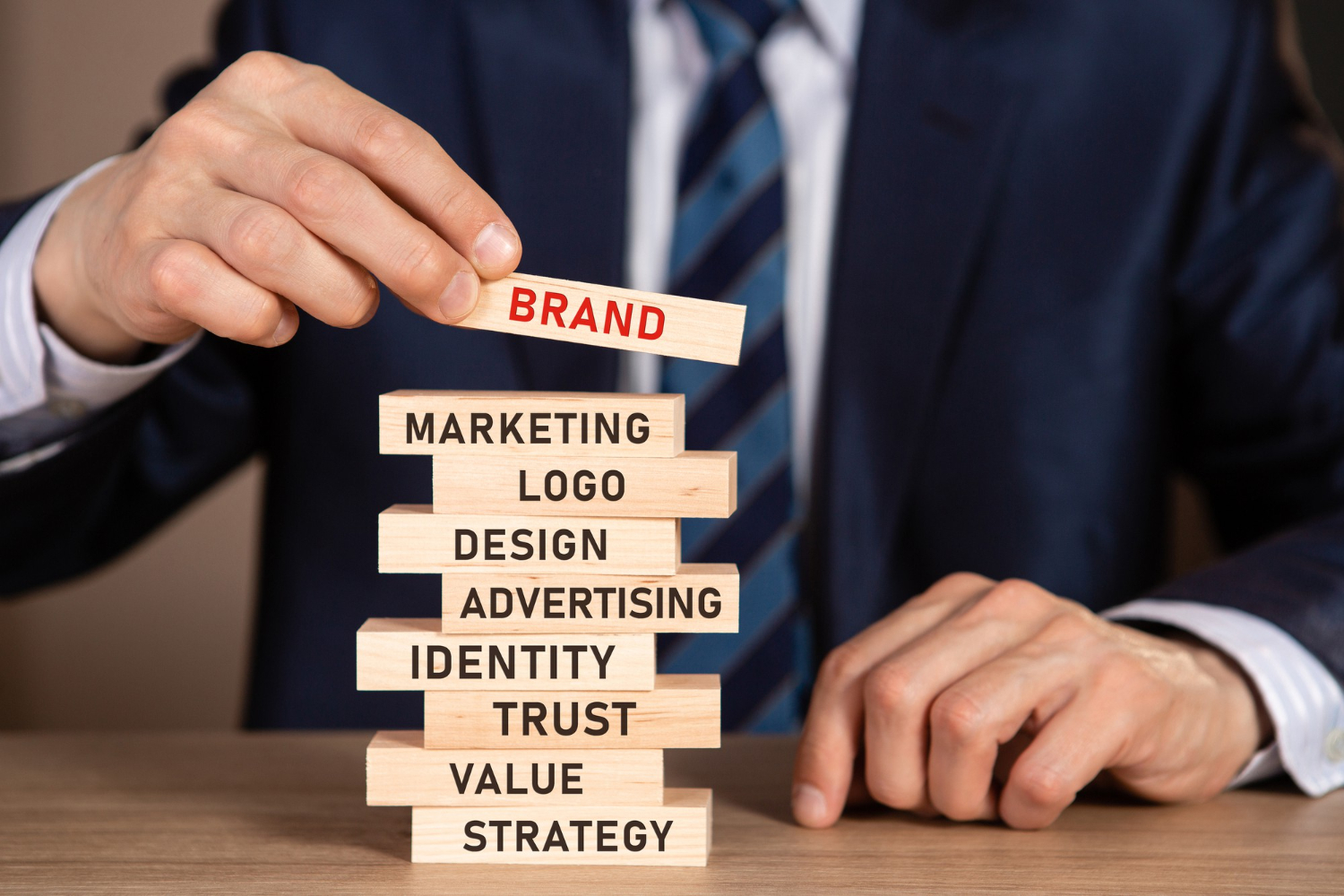
Branding and marketing are not competing concepts — they are two sides of the same growth strategy.
Branding creates identity, trust, and emotional connection.
Marketing amplifies that identity and delivers it to the right audience.
Businesses that combine both effectively achieve something much more valuable than short-term sales — they build a powerful, recognizable brand that stands the test of time.
At SakalDhann, the focus is on helping businesses develop structured strategies that align branding, business models, and marketing execution to create sustainable growth and long-term impact.
Check out our more blogs – https://sakaldhann.com/blog/business/business-growth-consulting/
About the Author